

Decoding the Mobile Communication Tower: How It Works
Introduction
Ever wondered how that little device in your pocket connects you to the world? Well, let me introduce you to the unsung hero of our modern communication era: the mobile communication tower. These towering giants play a pivotal role in ensuring that our calls, texts, and data fly seamlessly across distances. So, buckle up as we dive into the nitty-gritty of how these towers work!
What is a Mobile Communication Tower?
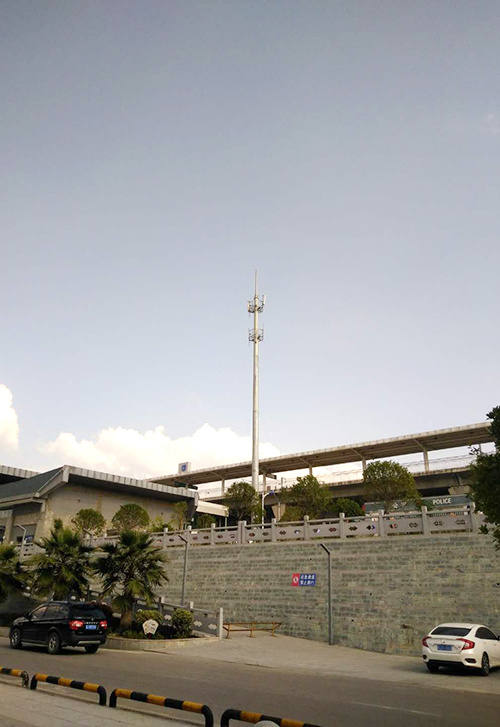
In simple terms, amobile communication tower is a tall structure that houses antennas and other equipment necessary for transmitting and receiving signals from mobile devices. Think of it as a bridge between your phone and the vast network of the internet. Without these towers, our smartphones would be little more than fancy paperweights!
The Anatomy of a Mobile Communication Tower
So, what’s inside these towering structures? Well, they’re more than just metal poles standing tall. A typicalmobile communication tower includes:
- Antennas: These are the heart of the tower, responsible for sending and receiving signals. Picture them as the ears and mouth of the tower, listening to your calls and sending them off into the ether.
- Base Station Equipment: This equipment processes the signals sent to and from the antennas. It’s like the brain of the operation, deciphering and routing your calls and data to the appropriate destination.
- Backhaul Connections: These connections link the tower to the broader telecom network. Think of them as highways that carry the information to and from the tower.
How Does It Work?
Now, let’s get down to the crux of the matter—how does amobile communication tower actually work?
When you make a call or send a text, your mobile device transmits a signal to the nearestmobile communication tower. This signal is typically a radio wave, which is a form of electromagnetic radiation. Upon receiving your signal, the tower’s antennas pick it up and send it to the base station equipment. From there, the signal is processed, and if you’re calling someone, it’s routed through the network to reach the recipient.
But wait, there’s more! The process is essentially a two-way street. When the recipient answers, their device sends a signal back to the nearest tower, which then relays it to you. Voila! You’re connected, and the magic of mobile communication is in full swing.
Types of Mobile Communication Towers
Believe it or not, there are different types ofmobile communication towers, each with its unique purpose:
- Monopole Towers: These are single-pole structures that are typically used in urban areas where space is limited. They’re sleek and efficient!
- Guyed Towers: These tall, slender towers are supported by guy wires. They are great for rural areas where space isn’t a problem.
- Stealth Towers: Designed to blend in with the environment, these towers can resemble trees or other structures. They’re perfect for maintaining aesthetics in residential areas.
The Future of Mobile Communication Towers
With the advent of 5G technology,mobile communication towers are evolving. They’re becoming smarter and more efficient, thanks to innovations in antenna design and processing power. In fact, as we move towards a more connected world, the role of these towers is only set to increase. It’s not just about making calls anymore; it’s about providing seamless connectivity for everything from smart homes to autonomous vehicles.
Conclusion
So, the next time you send a text or make a call, take a moment to appreciate themobile communication tower working tirelessly behind the scenes. These towers, though often overlooked, are the backbone of our mobile connectivity. They’re an incredible feat of engineering that keeps us connected in an ever-evolving digital landscape.
Tag:





E-mail:
Address:
No. 008, Longhua Development Zone, Jingxian County, Hebei Province