

The Backbone of Broadcasting: A Journey Through Television Towers
The Backbone of Broadcasting: A Journey Through Television Towers
When you flip on your TV, have you ever wondered about the magic behind the screen? That captivating show, the thrilling game, or the breaking news doesn’t just appear out of thin air. Nope! It all starts at the broadcasting and television tower, those towering giants that stand tall against the skyline, beaming signals to our living rooms. Let’s dive into the world of these incredible structures and see what makes them tick!
What Are Broadcasting and Television Towers?
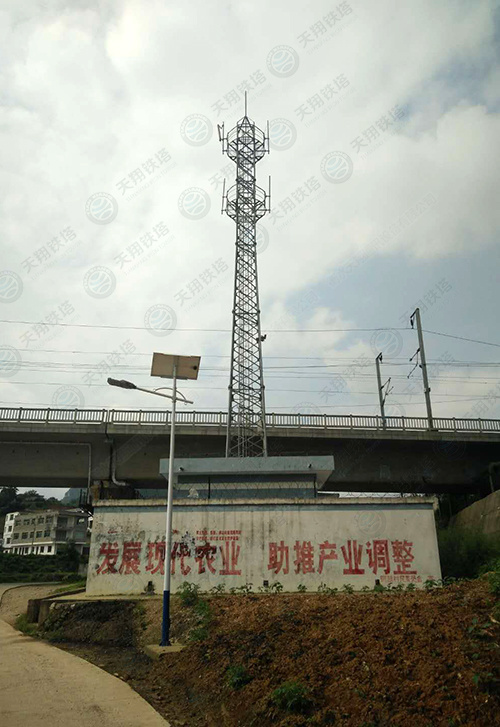
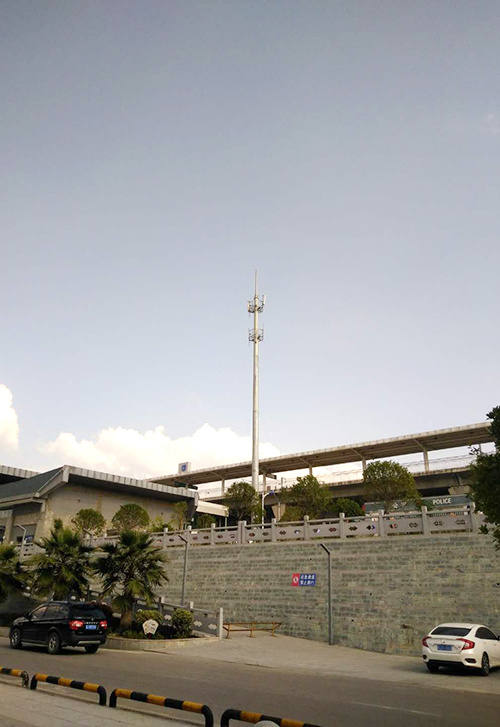
In simple terms, a broadcasting and television tower is a tall structure designed to transmit radio and television signals. Think of it as the middleman between the studio and your TV set. These towers are equipped with antennas that send out signals over vast distances, ensuring that you can catch your favorite shows without a hitch.
A Brief History
Let’s take a stroll down memory lane! The first broadcasting tower was constructed way back in the early 20th century. It was a game-changer for communication, allowing people to receive news and entertainment from afar. Fast forward to today, and the technology has evolved by leaps and bounds. We've gone from simple AM signals to complex digital transmissions, but the essence remains the same: connecting people through the airwaves.
How Do They Work?
Alright, here’s the scoop! When a television station wants to broadcast a show, they send a signal from their studio to the broadcasting and television tower. The tower then amplifies this signal and transmits it over the air to your television set. This process can happen in real-time, allowing for live broadcasts of everything from sports events to award shows. How cool is that?
The Technology Behind the Magic
Modern broadcasting towers are equipped with high-tech gear that ensures crystal-clear signals. Many use digital broadcasting technology, which compresses audio and video for efficient transmission. This means fewer glitches and interruptions—just smooth viewing pleasure!
The Importance of Location
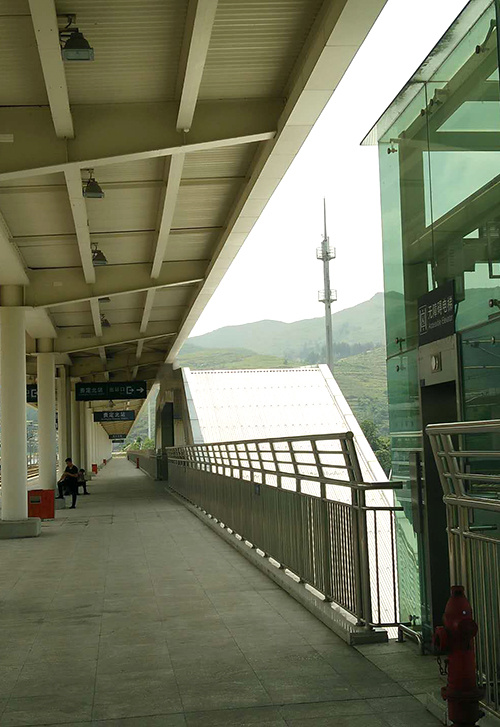
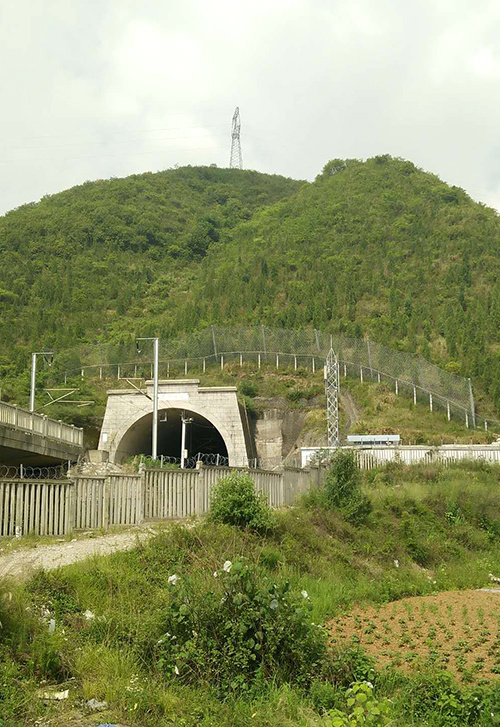
Now, let’s talk about something that might surprise you: the location of these towers is key. They’re typically built on high ground or elevated locations to maximize their signal reach. Ever heard the saying, “Location, location, location”? Well, it totally applies here! A tower on a hill can cover a larger area than one in a valley, making strategic placement crucial for broadcasting success.
Challenges in the Industry
But it’s not all sunshine and rainbows. The broadcasting industry faces challenges too. Signal interference from buildings, weather conditions, and even competing towers can create headaches for engineers. Plus, with the rise of streaming services, traditional broadcasting is shaking in its boots, forcing towers to adapt and innovate.
The Future of Broadcasting Towers
So, what’s next for our beloved broadcasting and television towers? Experts predict more integration with internet technology, potentially leading to hybrid systems that combine traditional broadcasting with streaming capabilities. Imagine watching your favorite show with the reliability of a broadcast tower and the convenience of the internet—talk about a win-win!
Wrapping It Up
In conclusion, the broadcasting and television tower is more than just a metal structure; it’s the lifeline of our media consumption. Next time you settle down to watch your favorite show, take a moment to appreciate the incredible technology and engineering that brings it to life. Who knew that such towering giants had such a big impact on our daily lives?
So, whether you’re a die-hard sports fan or a reality TV junkie, remember that behind every electrifying moment is a broadcasting tower working hard to keep you entertained!
Tag:


E-mail:
Address:
No. 008, Longhua Development Zone, Jingxian County, Hebei Province